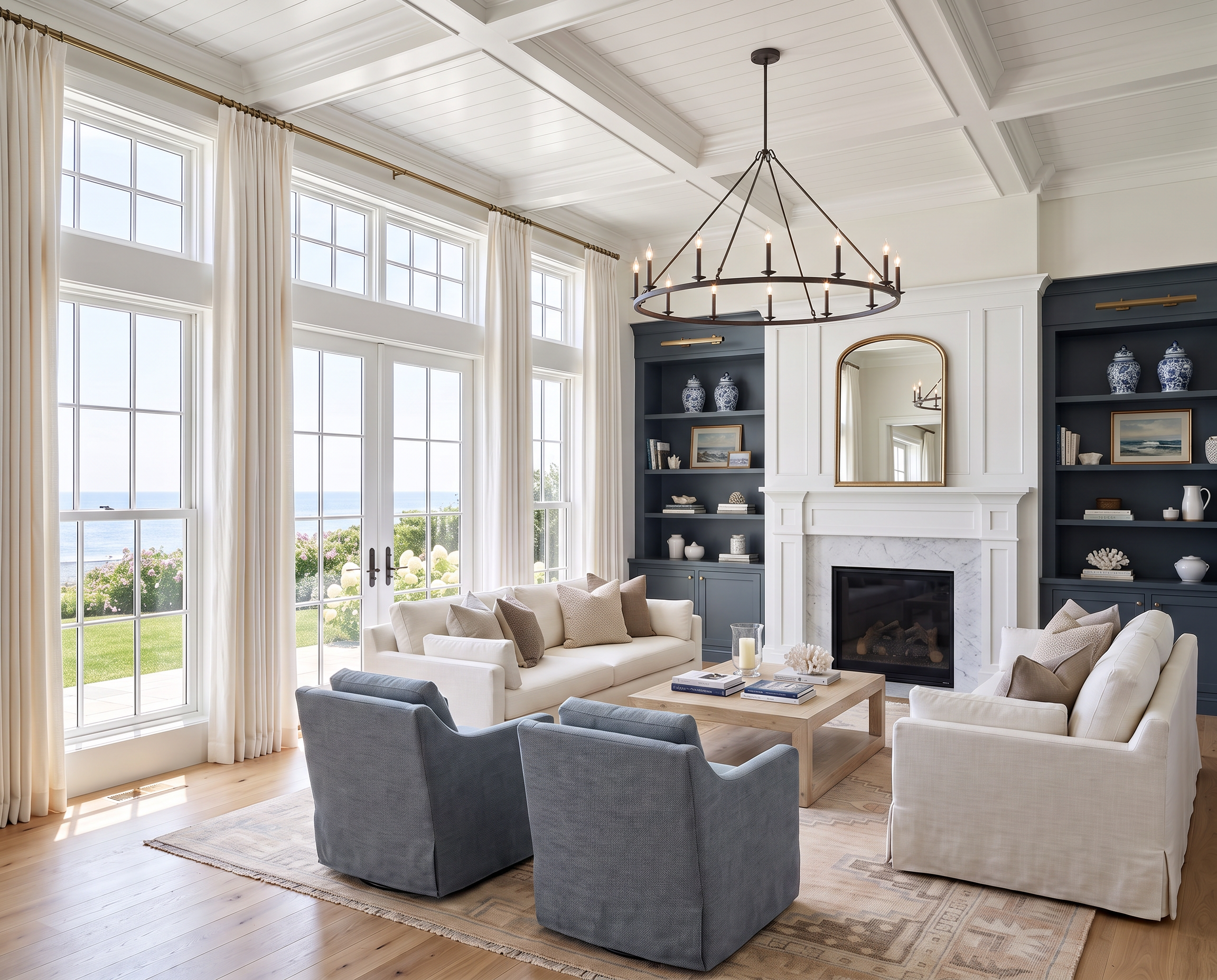
ⓘ Images in this post are AI-generated virtual design concepts intended for inspiration. Linked products reflect the style and feel of the space, but are not exact matches. This post contains affiliate links. As an Amazon Associate, I may earn on qualifying purchases.
If there’s one thing that can make an otherwise beautiful living room feel a little off, it’s a rug that’s too small.
And unfortunately, rugs are especially good at looking enormous online and then arriving at your house looking approximately the size of a bath mat beneath your sofa.
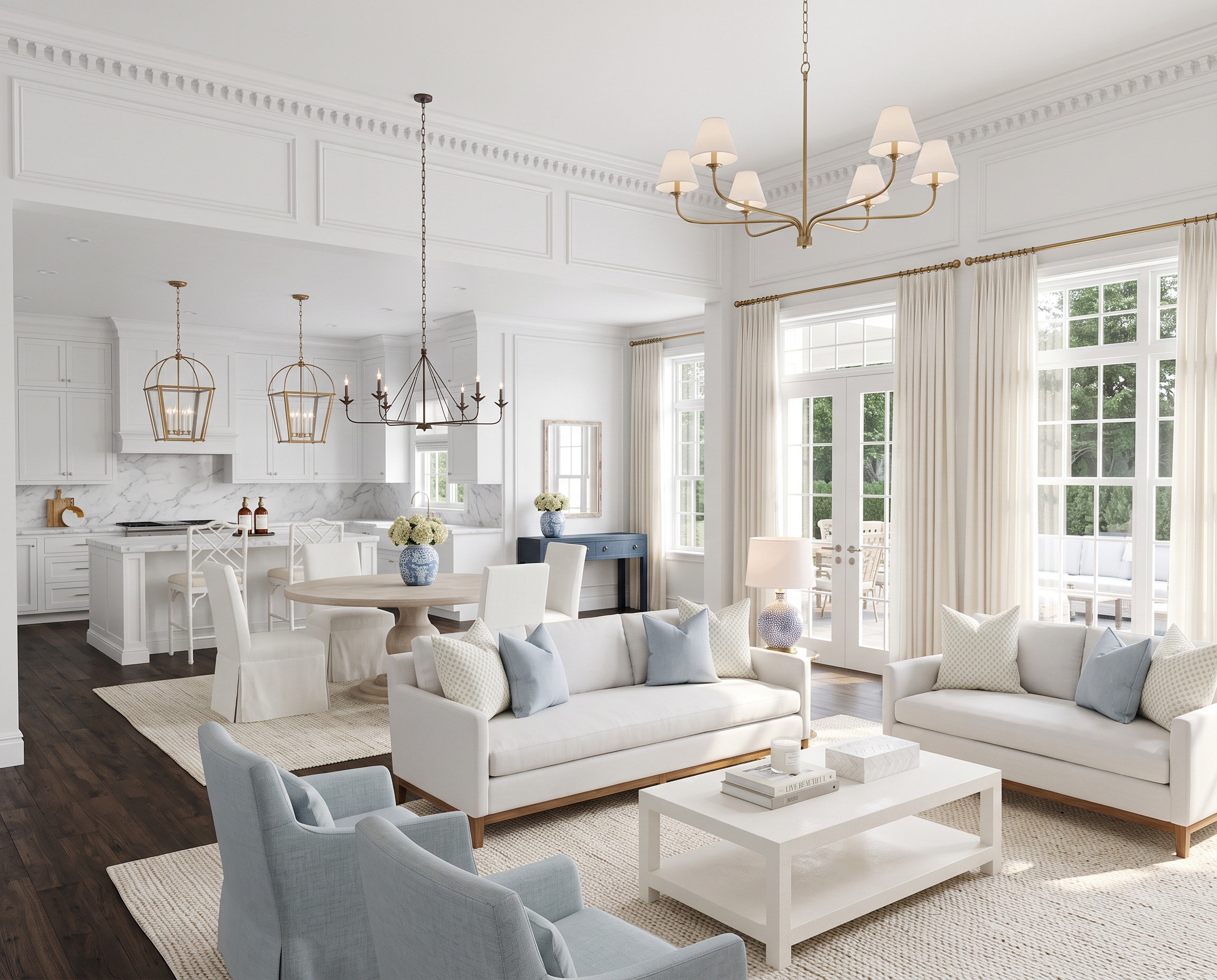
The right rug should anchor the entire seating arrangement—not just give the coffee table somewhere soft to sit. Here’s how I decide between an 8x10, 9x12, 10x14, or larger rug and where I like the furniture to sit once it’s in the room.
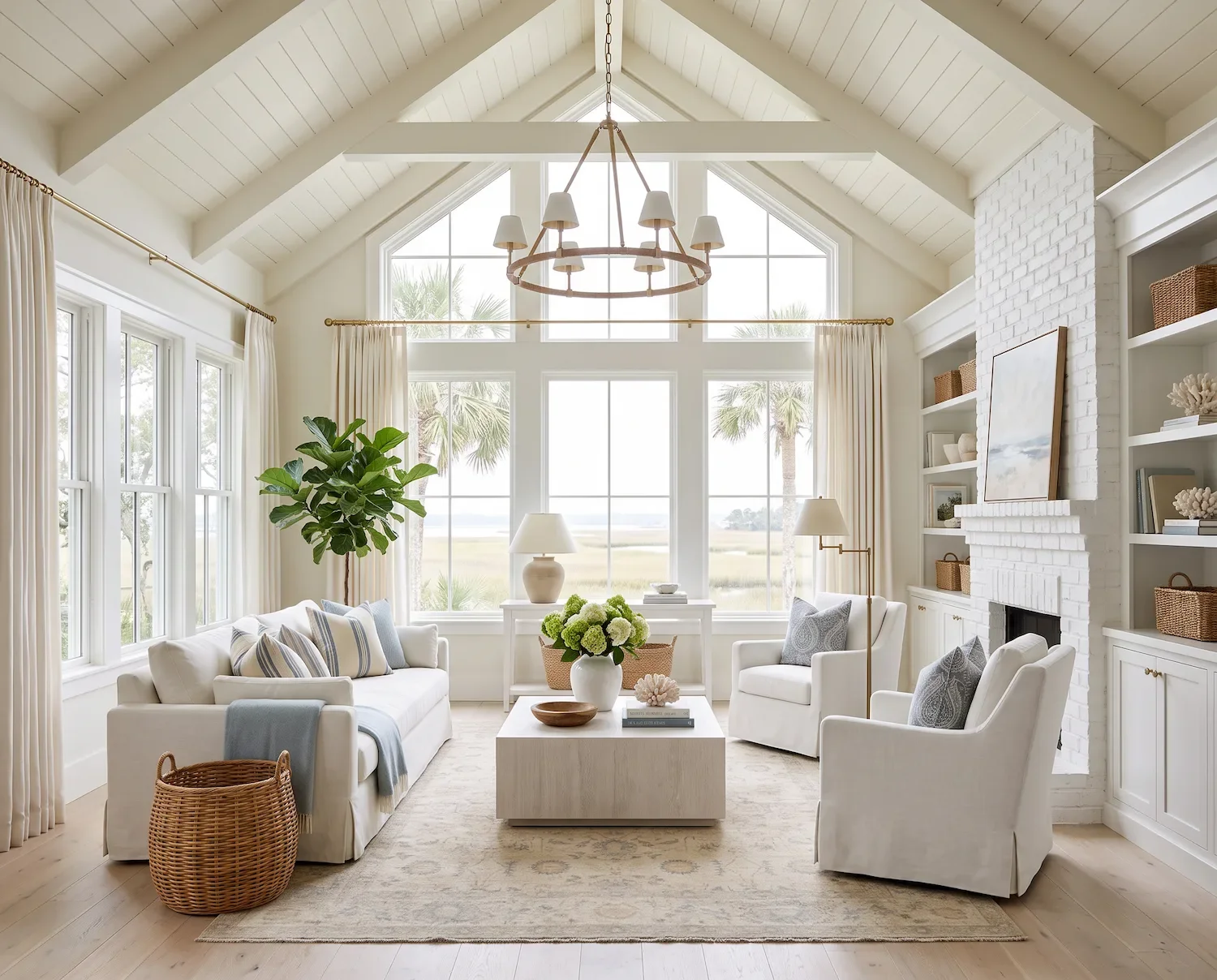
Start with your furniture arrangement, not just the dimensions of the room.
When I’m choosing a living room rug, I’m really thinking about the footprint of the seating area.
For a sofa with a couple of chairs, an 8x10 is often a good starting point for a smaller living room, while a 9x12 gives a standard seating arrangement considerably more breathing room. Large living rooms, sectionals, and more generous conversation areas may need a 10x14 or larger. Current sizing guides follow roughly the same progression, although the furniture arrangement ultimately matters more than the room dimensions alone.
At minimum, I like the front legs of the sofa and the main chairs sitting comfortably on the rug. That one detail visually connects the furniture and makes the entire arrangement feel like one space rather than a collection of pieces floating around a coffee table.
If the room is large enough, putting the furniture completely on the rug can look beautiful too. But I wouldn't buy an enormous rug just to follow that rule. Front legs on is perfectly fine—the important thing is that the rug actually reaches the seating.
This is also where I’d rather err a little too large than too small.
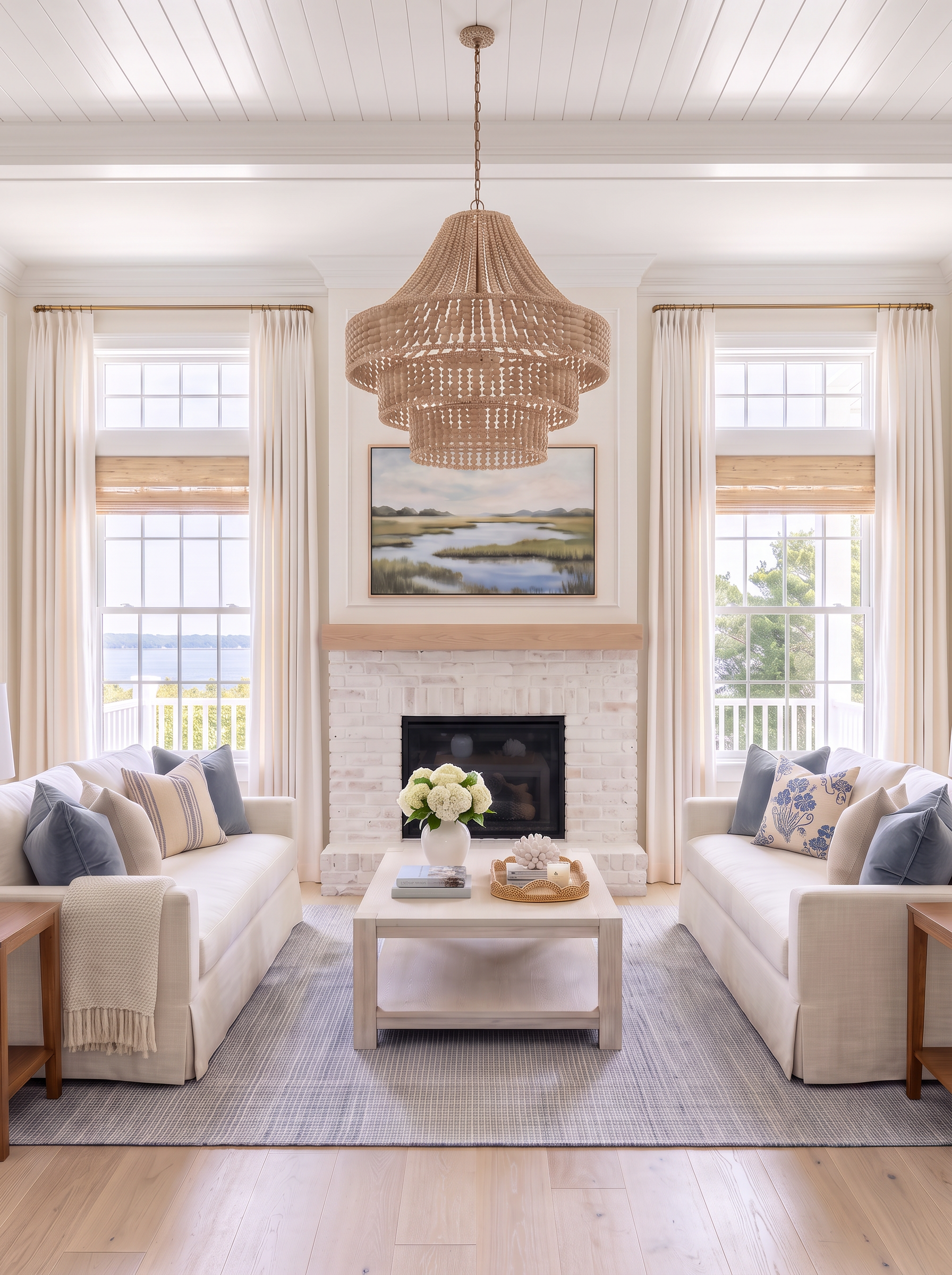
An 8x10, 9x12, and 10x14 can look completely different under the same furniture.
An 8x10 rug can work beautifully in a more compact living room, especially when the furniture grouping is fairly tight. I’d make sure it’s positioned so the sofa and chairs can all relate to it rather than centering it under the coffee table and hoping for the best.
A 9x12 is probably the size I’d look at first for a more generous sofa-and-chairs arrangement. It gives you more room to get those front furniture legs onto the rug and usually makes the whole seating area feel more substantial.
For a large living room, sectional, two-sofa arrangement, or great room, I’d start looking at a 10x14 or larger. Large rooms are where undersized rugs become especially obvious. A bigger rug can define the conversation area and make all that furniture feel connected rather than scattered across the room. Current guides similarly tend to move toward 9x12 and 10x14 rugs as seating groups become larger.
This is also why I wouldn't choose a rug size based solely on what happens to be less expensive. Going down one size can save money, but if it makes the entire room look disconnected, it’s not much of a bargain.
I’d rather choose a simpler rug in the right size than a beautiful rug that’s noticeably too small.
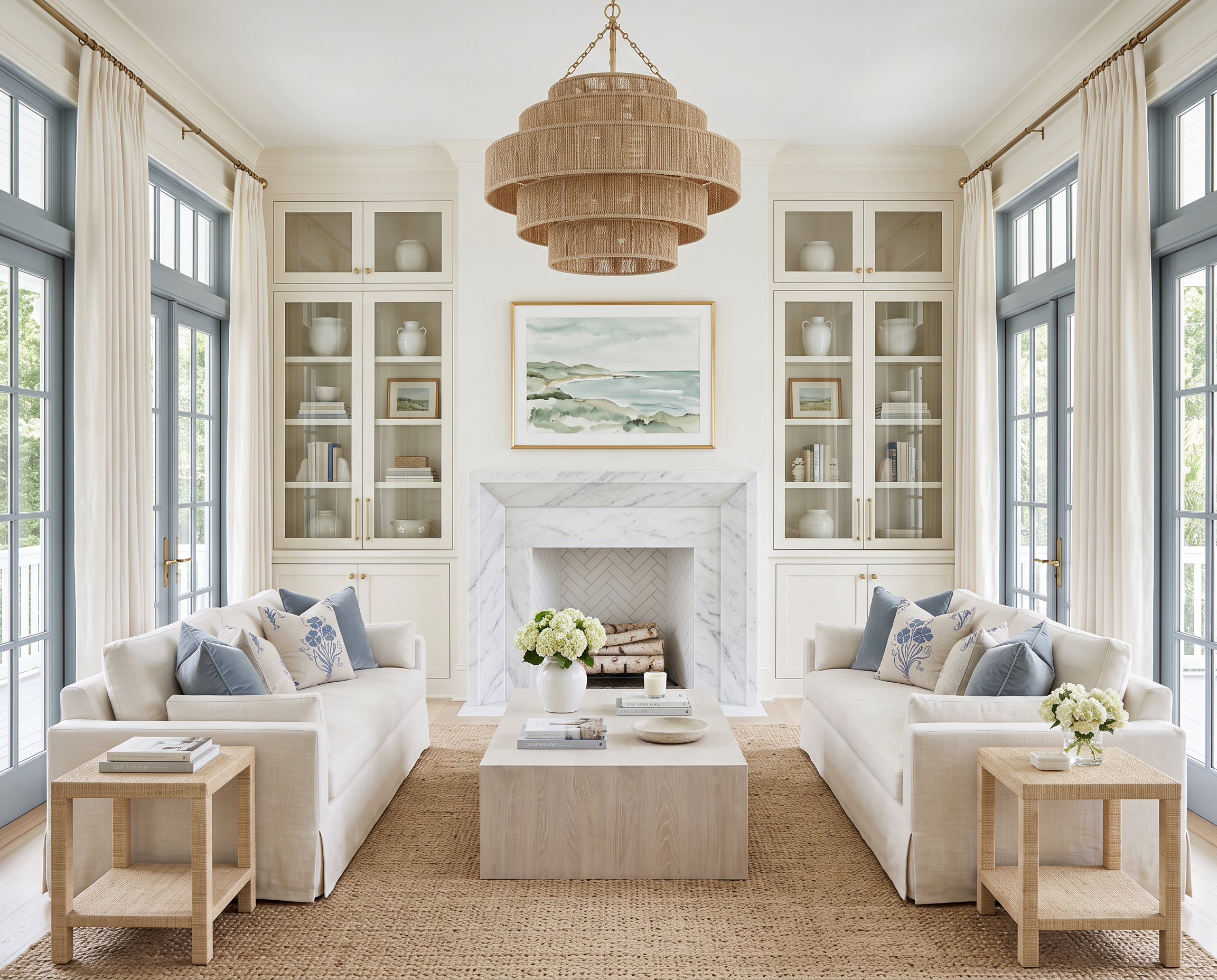
Measure the furniture first—and use painter’s tape before you order.
Before ordering a rug, measure the entire seating arrangement rather than just the open floor in the middle.
Look at where the sofa and chairs actually sit and make sure the rug will extend far enough beneath them. If you’re deciding between two sizes, mark both options on the floor with painter’s tape.
It sounds almost too simple, but seeing an 8x10 and a 9x12 outlined in the actual room makes the difference surprisingly obvious. Measuring and taping out the proposed rug footprint before buying is also recommended in current rug-sizing guidance.
Once you know the size you need, then you can worry about the fun part.
For a classic living room, I tend to gravitate toward rugs with a little softness and texture rather than anything extremely high contrast. A subtle blue patterned rug can bring color into a neutral room, while an ivory wool-and-jute rug gives you texture without adding another pattern.
A few similar finds I love are the Merrin Hand-Knotted Wool Rug in Cloud Blue and the Chunky Wool Jute Rug in Ivory. I also have several flatweave and patterned options saved that work beautifully when you want the rug to bring a little more personality into the room.
The exact rug can change the look completely, but the sizing rule stays pretty consistent: make the rug part of the furniture arrangement rather than an island in the middle of it.

You May Also Like…


Love classic home design?
Get one beautifully designed newsletter each month featuring:
New virtual room designs
Designer styling tips
Curated collections
Exclusive decorating inspiration